
Sindia: a workshop to build collaboration with the Saafi inter-village Committee
The Mbour department is changing at breakneck speed. A new highway, a new airport, the port of Ndayane, special economic zones, rampant urbanization, large-scale farms owned by foreign investors, extractive mines fueling the construction frenzy. Transformations are unfolding at a pace that both local populations and authorities struggle to keep up with.
These projects bring real opportunities. But they also reshuffle the deck: there are winners, and there are losers. The externalities on the environment, health, quality of life, and food security are numerous and often rendered invisible.
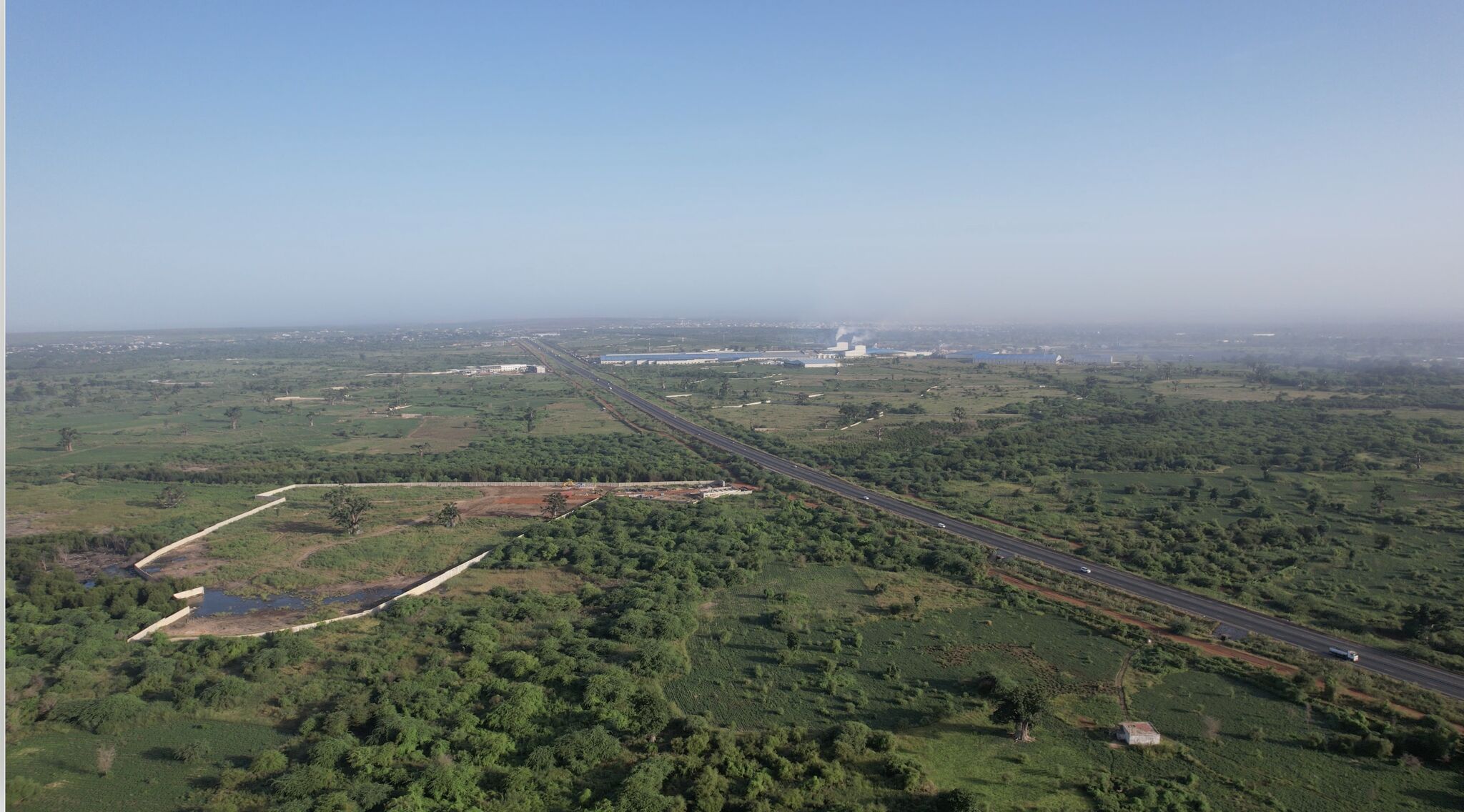
Citizen collectives on the front line
In response, citizen collectives are rising to defend their land. This is the case of the Inter-village Committee for Environmental Protection of the Saafi zone.
On Sunday, February 15th, we organized a workshop with them to define a collaboration strategy with CREATES. We presented the results of our territorial assessment and the first footage from the documentary film currently in production. It was a rare moment of exchange - moving, motivating, and inspiring.
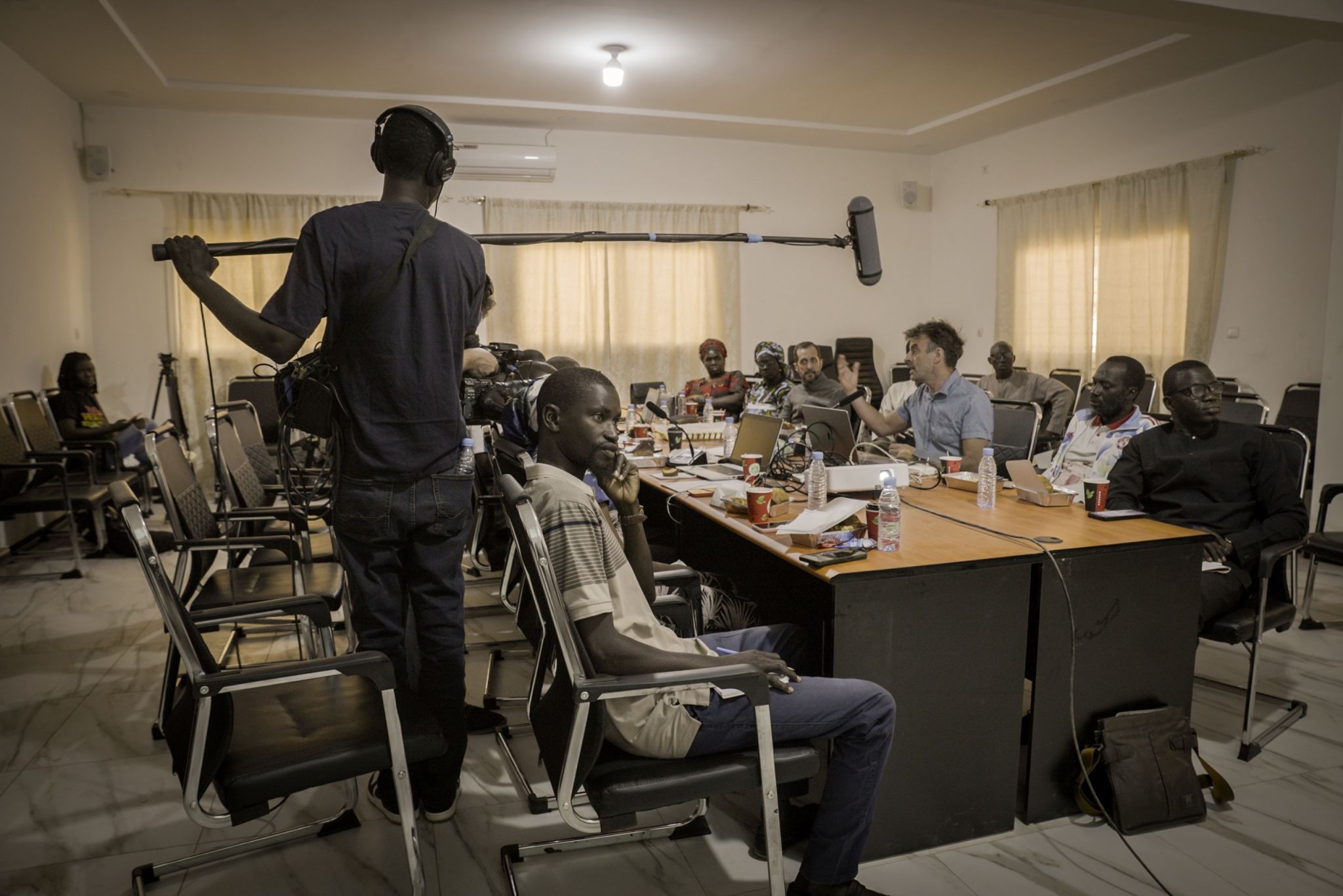
Action-research, audiovisual, and advocacy
Three pillars will structure this future collaboration:
- Action-research - to document and analyze territorial dynamics
- Audiovisual production - to make visible the realities experienced by local populations
- Strategic advocacy - to bring demands to decision-makers
The committee members made one thing very clear: this is their fight. They welcome us with open arms if we can support them, but there is no question of diverting them from the path they have set for themselves.
A collaboration rooted in the territories
This is exactly the type of collaboration CREATES seeks to build. Rooted in the territories. Carried by those who live there. In service of objectives defined by the communities themselves.
This workshop is part of the Bey Diiwaan and AgroVoiceS projects, which aim to strengthen sustainable food systems and the agroecological transition on the Senegalese Petite Cote.
We look forward to what comes next.