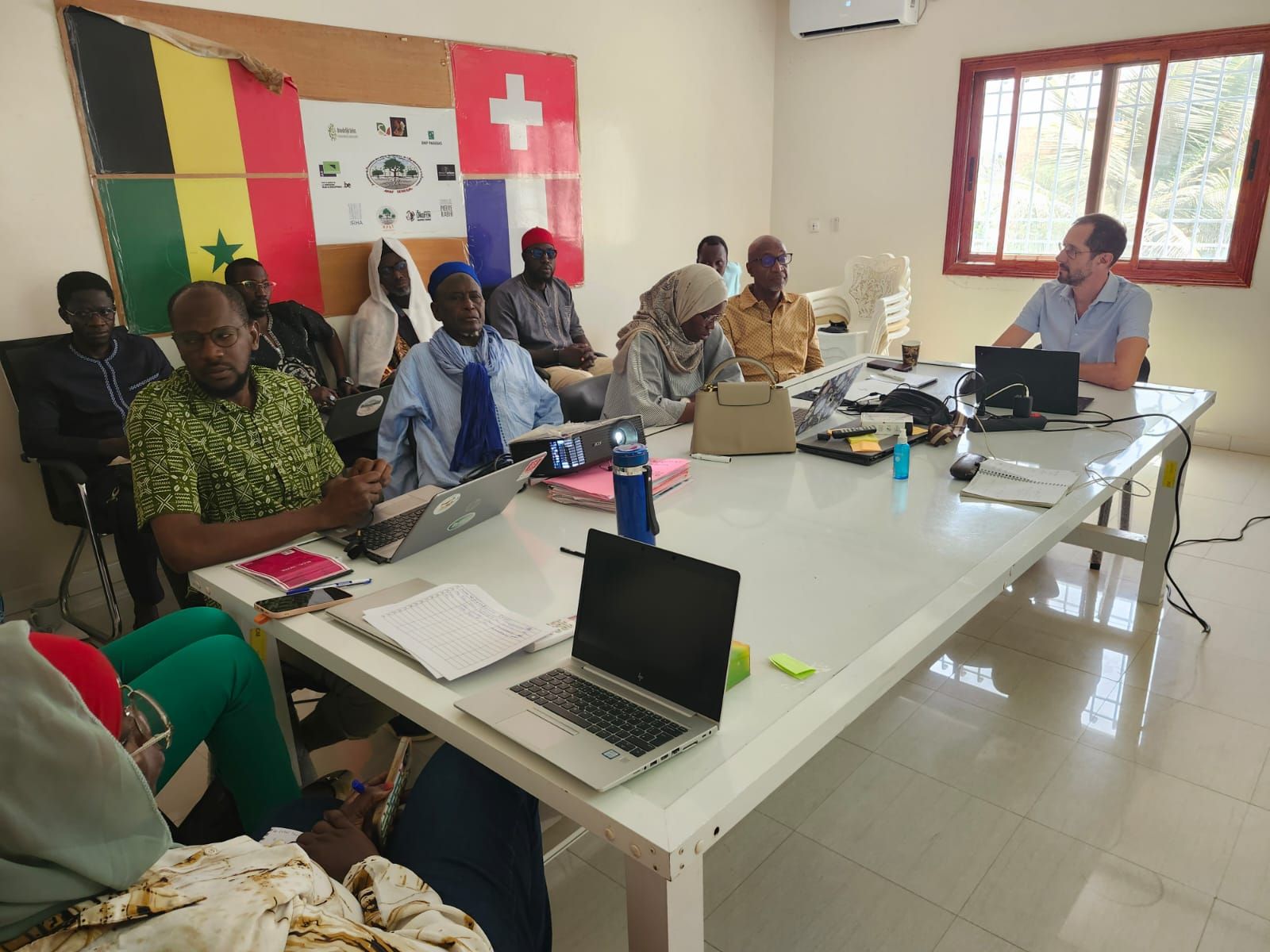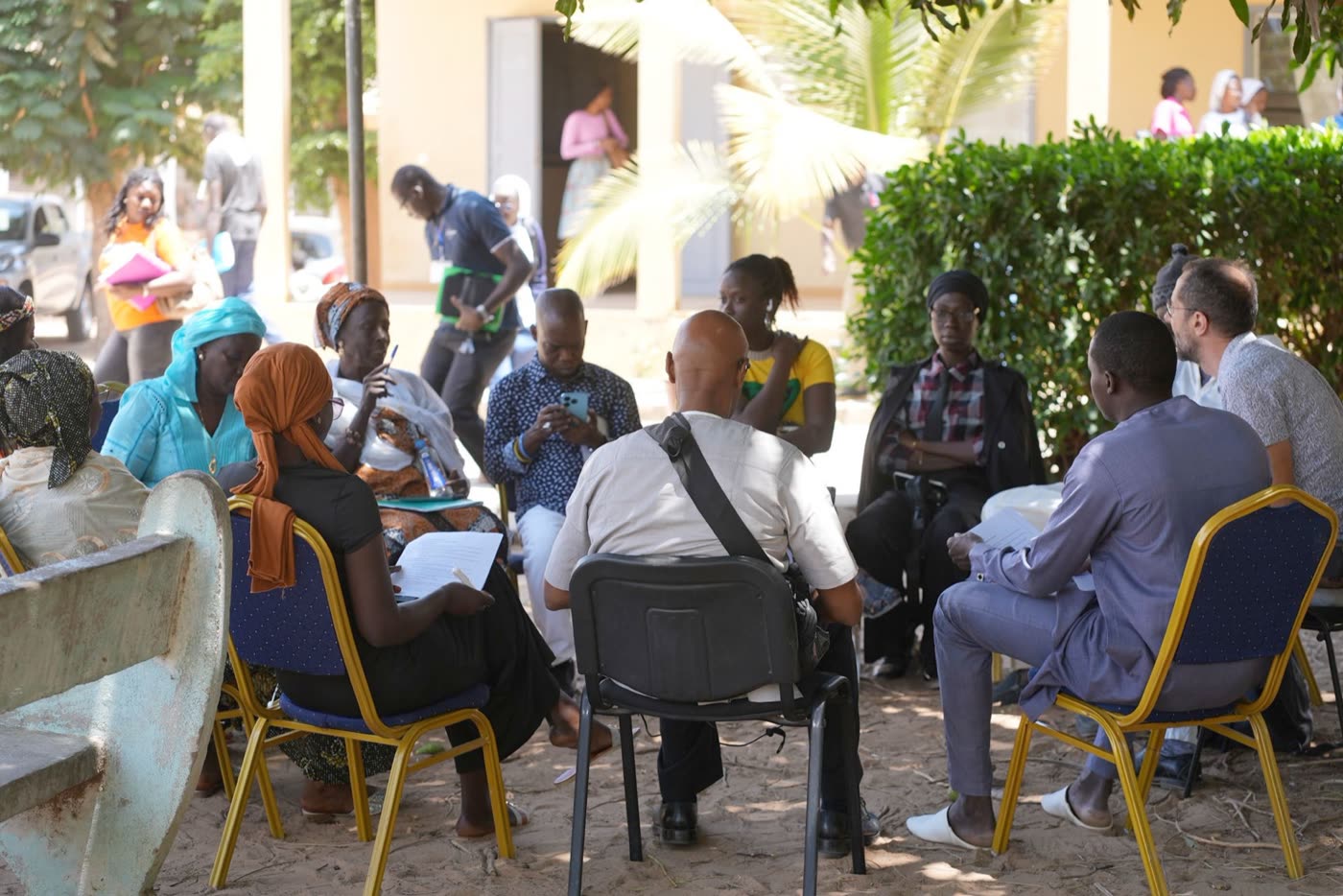
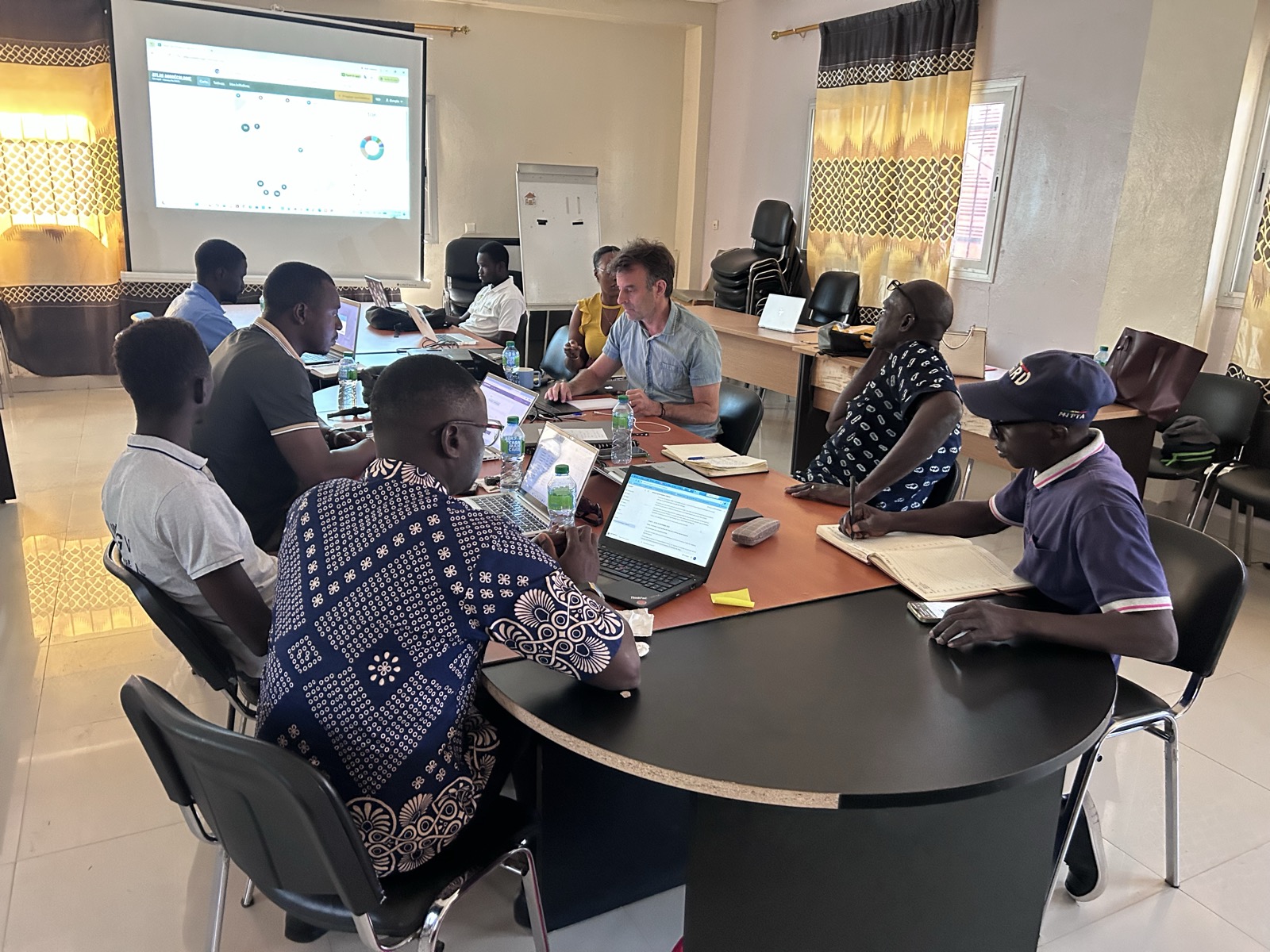
A DyTAEL (Dynamics for a Local Agroecological Transition) that depends on one-off partnerships spends its time looking for whoever will fund the next small activity. It then struggles to become what it exists for: a platform that sets its own strategy and takes action in its territory. On 18 and 19 November 2026, at the Bignona Departmental Council, we worked with the Bignona DyTAEL on this question: how to support it beyond piecemeal activities.
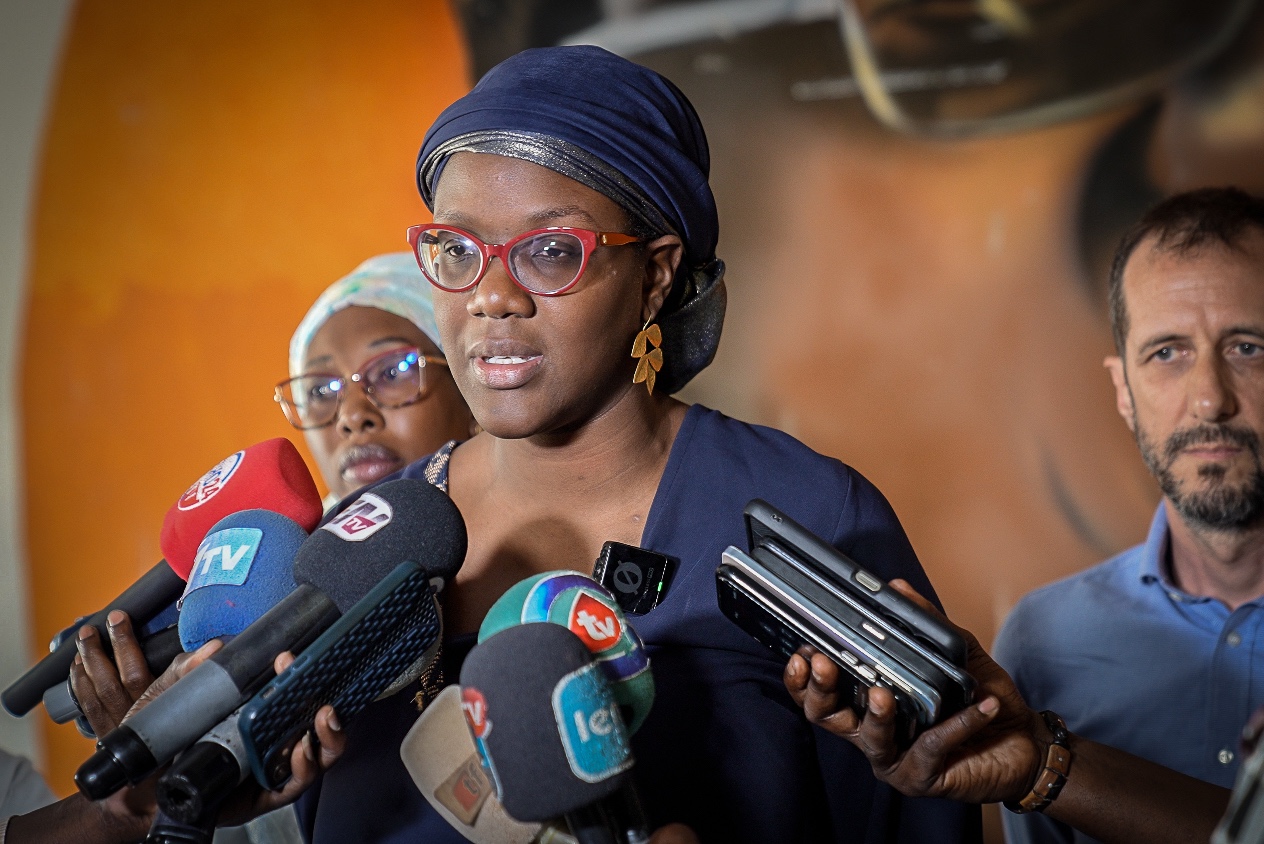
Kalifa Diémé, Secretary General of the Departmental Council, took part on behalf of the President, alongside representatives of ISEP Bignona, ECO FROM AFRICA and AJAC Régional. These days were part of the Bey Diiwaan project, supported by LED - Liechtenstein Development Service.
The Departmental Council’s support matters a great deal. It had already hosted the DyTAEL’s advocacy workshop in September 2025, in the presence of its President. In its account of these two days (in French), it reaffirms its interest in “partnership initiatives that foster dialogue between stakeholders, environmental protection and the development of local potential”. For a DyTAEL that wants to last, the backing of the departmental authority is an anchor.
The action plan of our partnership
The first day focused on the 2026-2027 action plan of the partnership between CREATES and the DyTAEL. At the heart of this plan: communication, advocacy, organisational development and fundraising. This is the foundation of a sovereign DyTAEL, in charge of its own actions. The plan also includes field activities: raising awareness among local stakeholders, exchange visits and setting up Farmer Field Schools.
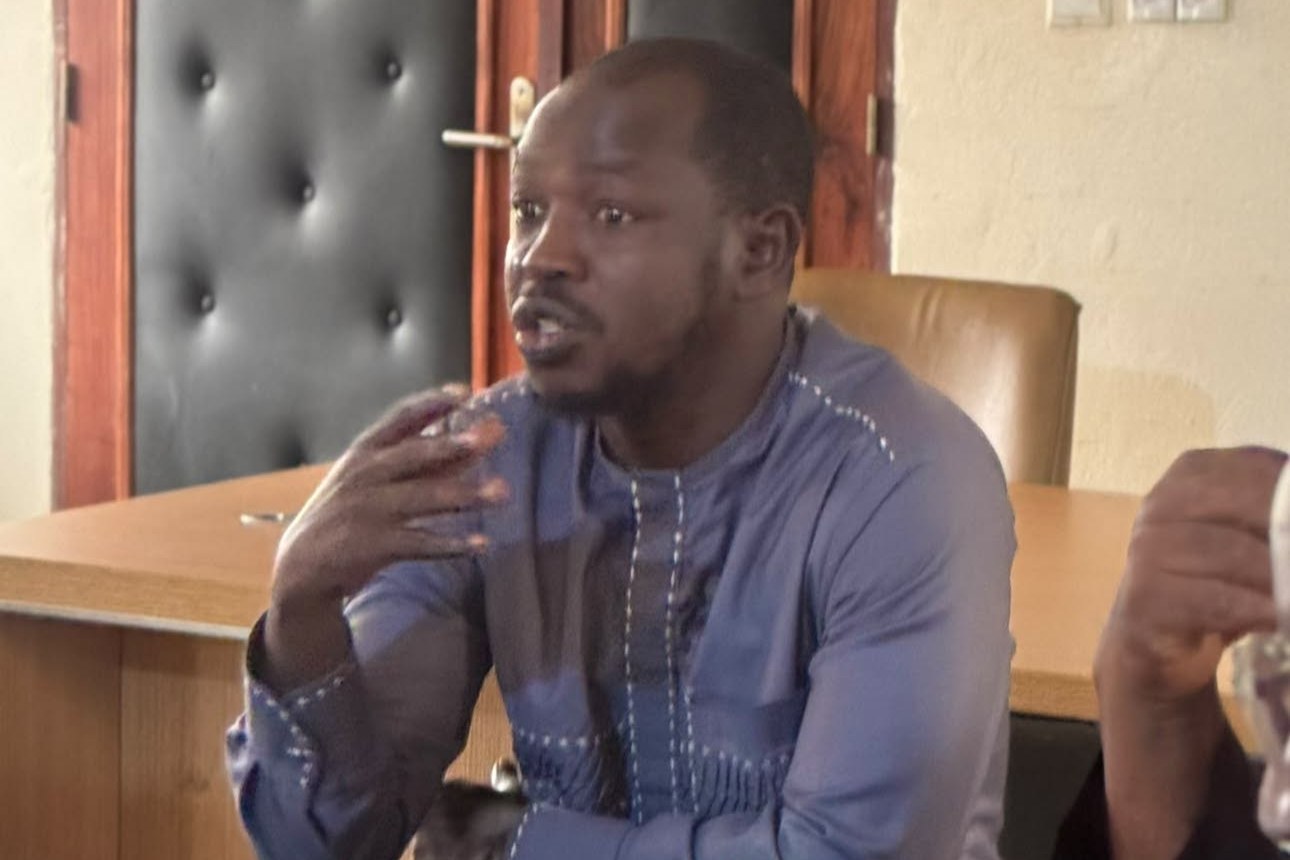
Photo: Bignona Departmental Council.
Participants asked for beneficiaries to be more involved in designing and running activities, so that these respond to what communities actually need. Adding value to local fruits and to the cashew sector was also discussed.
The Atlas, run by the DyTAEL
The second day was a training on the Agroecology Atlas.
The Agroecology Atlas is a participatory map of agroecological initiatives in Senegal: producers, farmer groups, farm schools and support organisations. They can be filtered by type of actor, activity and municipality, at the scale of the national DyTAES network or of each DyTAEL. The actors themselves submit their initiatives. As of 3 November 2026, the Atlas listed 106 of them, in 29 municipalities and 4 DyTAELs, including 38 in the department of Bignona, where it was first tested.
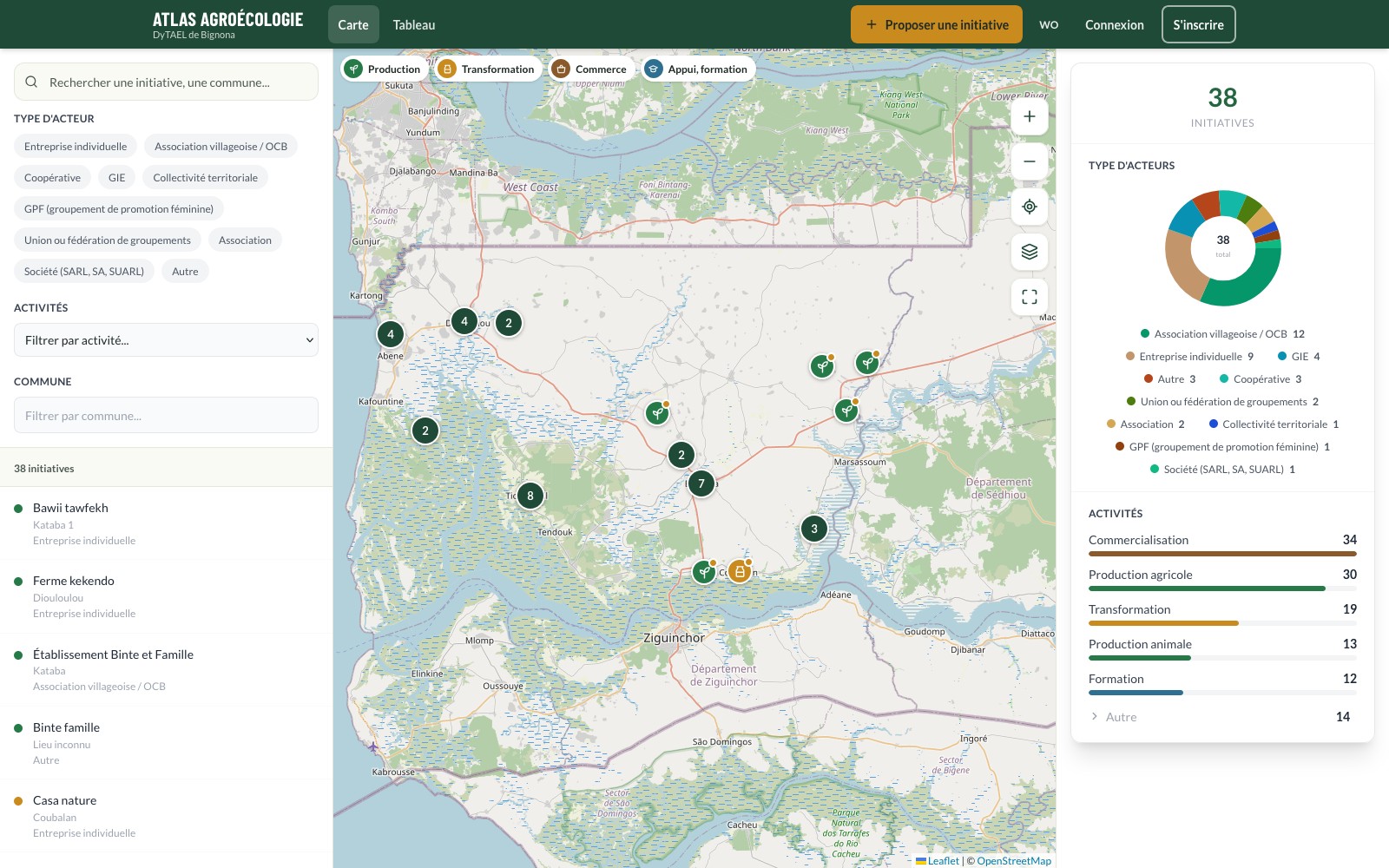
The Bignona DyTAEL view in the Atlas (interface in French): atlas.creates.ngo/bignona.
The DyTAEL’s focal members learned to consult its data, create initiative records and keep them up to date. The DyTAEL will thus be able to maintain its own inventory of the department’s initiatives, and bring actors together around the Atlas to add more initiatives.
At its general assembly a few weeks earlier, the DyTAES (Dynamics for an Agroecological Transition in Senegal) decided to include the Atlas in its work plan. The Atlas now needs to extend to other DyTAELs, starting with Fatick. The idea is for the Bignona DyTAEL to train the next ones to use it.